

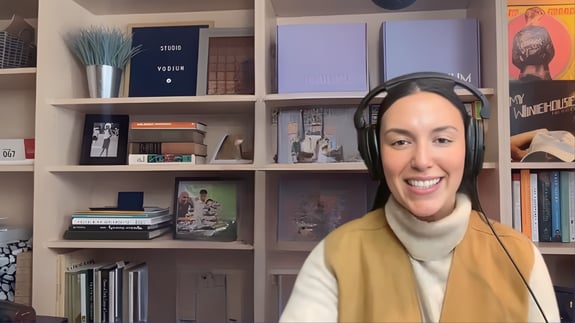
Why Looking “Professional” on Camera Isn’t Building Trust the Way Leaders Think
- In virtual work, leaders want to show up polished and credible, but that pressure can sometimes lead to choices that create distance instead of trust.
- Virtual backgrounds feel like the safest choice, especially when you don’t want your real space judged.
- But what looks “clean” on the surface doesn’t always feel authentic, and that’s where distance and mistrust begin.
- This post breaks down why that happens, and gives you simple, actionable shifts you can use right away.
In virtual work, we feel pressure to look polished on camera. Virtual backgrounds seem like the safest way to control how we’re perceived. But what looks professional doesn’t always feel authentic. Blurred edges, visual glitches, and artificial environments create subtle friction, and over time, that friction can reduce trust, even when our message is strong.
Real confidence comes from clarity and preparation, not filters. When we know what we want to say and can deliver it clearly, we don’t need to hide behind virtual backgrounds. That’s where tools like VODIUM help, making it easier to show up prepared, confident, and credible on camera.
Click here: Why Virtual Backgrounds Actually Work Against Leaders on Camera
Why Leaders Reach for Virtual Backgrounds and What They Might Be Missing
- Leaders often fear being judged for their personal space, but hiding it can create distance instead of connection.
- Feeling pressure to look executive-ready in virtual meetings is normal, but there are ways to balance professionalism with authenticity.
- The desire to control how others perceive you can drive leaders to rely on virtual backgrounds and overly polished setups.
We use virtual backgrounds because we don’t want our space judged. That instinct is human, especially when the pressure to look executive-ready on camera is high.
But hiding our environment can create distance instead of connection.
When we focus too much on controlling how we’re perceived, we often default to overly polished setups that feel safe, but not always authentic. And while there’s nothing wrong with wanting to look professional, trust is built through clarity and confidence, not perfection.
That’s where tools like VODIUM help. When we’re prepared and clear on what we want to say, we don’t need virtual backgrounds to feel confident on camera.
Why Virtual Backgrounds Actually Reduce Trust
- The brain picks up on what isn’t real
- Slight distortions disrupt natural presence
- Leaders feel less grounded and find it harder to connect with
They Weaken Executive Presence
- Leadership presence relies on consistency and clarity
- Virtual backgrounds introduce visual noise
- Even subtle glitches undermine confidence and authority
Our brains are wired to detect what isn’t real, even when we can’t consciously explain it. Virtual backgrounds introduce subtle distortions that disrupt natural presence on camera.
Research from Stanford’s Virtual Human Interaction Lab shows that even small visual mismatches in video communication increase cognitive load and reduce perceived trust and presence. When the brain works harder to process what it’s seeing, connection suffers.
They pull focus Away From the Message
- Hair, hands, and shoulders glitch during movement
- The audience notices the background instead of the leader
- The message loses impact
Why Real Environments Build Stronger On-Camera Confidence
- Real backgrounds signal honesty and openness
- Small imperfections make leaders more relatable
- Viewers trust people who feel present, not staged
What to Do Instead of Using a Virtual Background
- Neutral wall or clean office
- Space between you and the background for depth
- Avoid visual clutter that competes for attention
- Natural light or soft lighting facing you
Trust is Built Through Transparency, Not Perfection
- People don't expect flawless tools or experience
- They expect honesty and responsiveness when something breaks
- In virtual work, trust comes from feeling seen by real humans
We're not the only ones to discover this; both Harvard Click Here and MIT Click Here. We need to show up authentically and make up for the disconnection from technology.
Try Vodium Risk-Free
- Start a free 7-day trial Click Here
- Click Here to see how Vodium supports virtual leadership
- Connect with us on social to engage with the real humans behind the product
Follow Cami on Camera:


For updates from the team, follow VODIUM below:

COMMENTS